
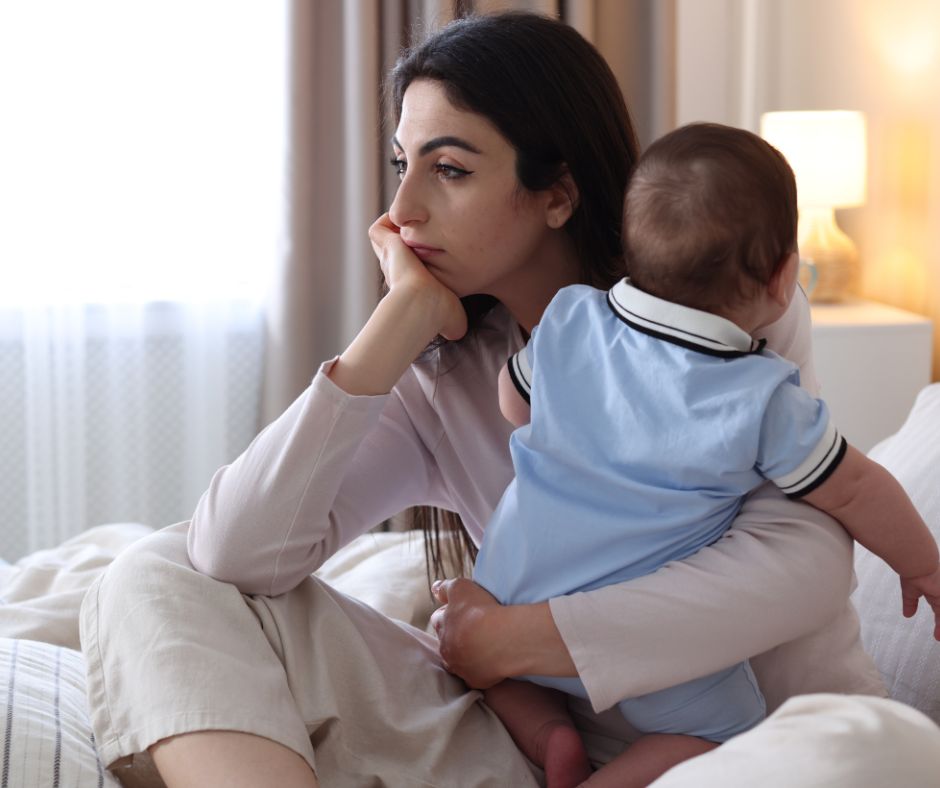
After welcoming a baby, many new mothers experience intense emotions. However, when sadness, fear, or worry become overwhelming, it may signal postpartum depression or postpartum anxiety. While both conditions can appear similar, postpartum depression often presents as persistent sadness, hopelessness, or loss of interest in activities once enjoyed. Postpartum anxiety, on the other hand, is less talked about with new mothers. It is marked by excessive worry, racing thoughts, or constant fear about the baby’s safety. Recognizing the difference helps new mothers and their families seek the right support early. Inspire Behavioral Health is a resource for mothers seeking balance and peace in motherhood in Northern Virginia, Bethesda, MD, and Washington DC.
Frequently Asked Questions About Postpartum Depression and Anxiety
Symptoms of postpartum depression or postpartum anxiety can last for months or even years if untreated. However, with professional therapy and support, most women notice significant improvement within weeks.
While mild “baby blues” often resolve within a few weeks, postpartum depression rarely goes away without professional care. Early intervention through therapy and, when needed, medication can prevent symptoms from worsening and promote faster recovery.
A mother’s emotional well-being directly influences her baby’s development and overall health. When postpartum depression or postpartum anxiety go untreated, babies may experience increased irritability, difficulty feeding or sleeping, and challenges with emotional bonding. Over time, this can affect the child’s sense of security and early cognitive development.
Experiencing mild worry after giving birth is common, but persistent fear or racing thoughts may indicate postpartum anxiety. A professional evaluation determines if symptoms require treatment and ensure mothers receive the support they need to feel balanced again.
Yes. Many women experience overlapping symptoms of both conditions, like worry, sadness, and intrusive thoughts. The specialized providers at Inspire Behavioral Health specialize identify these patterns and develop personalized treatment plans that address both postpartum depression and postpartum anxiety simultaneously.
Treatment typically begins with a comprehensive evaluation followed by therapy sessions that focus on cognitive and emotional support. When needed, medication may be recommended to balance mood and reduce anxiety. The goal is not just to manage symptoms but to empower every mother to feel confident and emotionally grounded again.
When to Seek Help for Postpartum Anxiety or Postpartum Depression
If emotional distress continues beyond two weeks or interferes with daily functioning, it is time to reach out for help. Seeking guidance from a mental health provider can make an enormous difference. Early signs of postpartum depression include include persistent sadness, loss of energy, and irritability. Postpartum anxiety symptoms are flagged as excessive worry about the baby and safety concerns for your new family. Mothers may struggle with sleep or experience feelings of guilt and worthlessness. Recognizing these symptoms early allows for faster recovery with professional help.
What a Mental Health Provider Can Do
A mental health provider can assess symptoms, identify underlying causes, and recommend evidence-based treatments such as therapy, medication management, or a combination of both. Inspire Behavioral Health offers a supportive, nonjudgmental environment where mothers can share openly. Their team of licensed therapists and psychiatric professionals collaborate to ensure every woman receives the care she deserves.
Finding Hope and Healing at Inspire Behavioral Health
The journey through postpartum depression or postpartum anxiety might feel isolating, but you are not alone. Many women have been on the emotional journey of postpartum depression or postpartum anxiety. Compassionate, expert help is available when you struggle. Our providers in Northern Virginia, Bethesda, MD, and Washington, DC are ready to help you rediscover balance and peace of mind. Take the first step toward healing by scheduling an appointment today by calling 703-592-4600.